
A practical guide to the scope of IEC 61439, manufacturer roles, design and routine verification, and the documents to request when buying a panel.
An electrical panel is more than switches and busbars in an enclosure. It is an integrated system that must carry current for years, withstand a possible short circuit and protect the people around it. The IEC 61439 series defines how low-voltage switchgear and controlgear assemblies meet these expectations. In Türkiye, the series has been adopted by the Turkish Standards Institution as TS EN 61439; it is advisable to confirm the current edition and its status through TSE sources.
01 —Scope and parts of the standard
IEC 61439 replaced the earlier IEC 60439 series and is a family of interrelated parts rather than a single document. Part 1 sets the general rules; the other parts refer to them and add or modify requirements for specific assembly types.
Part 2 covers power switchgear and controlgear assemblies, the main and sub-distribution panels most common in industrial facilities and buildings. Other parts address distribution boards operated by ordinary persons, construction site assemblies, public network distribution assemblies, busbar trunking systems and assemblies for specific applications.
02 —Original manufacturer and assembly manufacturer
A key concept of the standard is the clear separation of responsibilities. The original manufacturer carried out the original design of the assembly system and its verification. The assembly manufacturer takes responsibility for the completed assembly. Both roles may sit within one company, or a company may build panels using a verified system. Either way, the assembly manufacturer is responsible for the conformity of the final product.
03 —Design verification and routine verification
Design verification shows that an assembly design meets the standard's requirements. It can be performed by testing, by comparison with a reference design or calculation, or by assessment within defined rules. The standard specifies which method may be used for which characteristic.
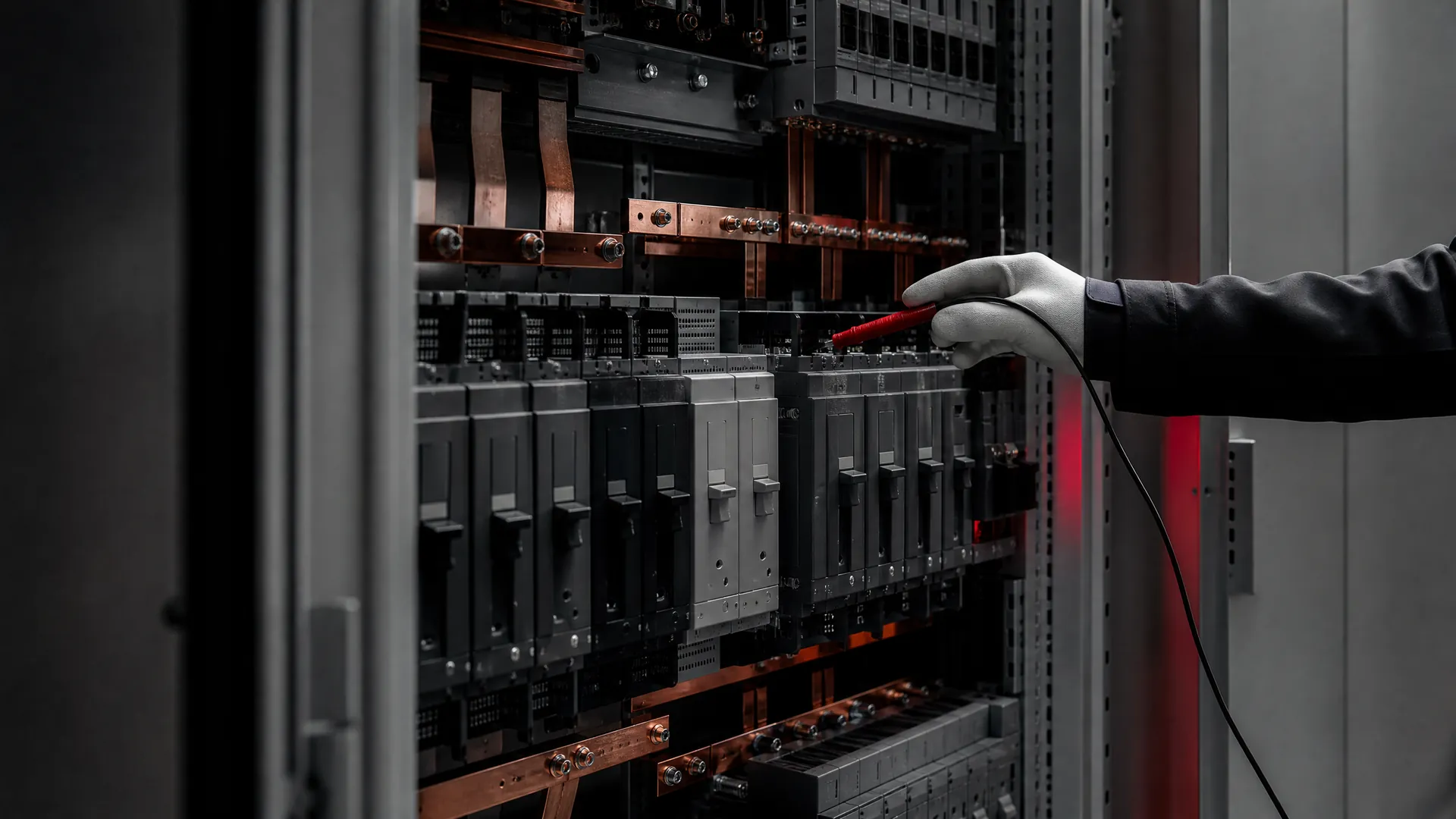
Key topics include temperature rise, short-circuit withstand strength, dielectric properties, clearances and creepage distances, protective circuit continuity and effectiveness, mechanical strength and degree of protection. Routine verification applies to every assembly produced; workmanship, wiring, connection tightness, insulation and protective circuit continuity are checked before delivery.
04 —Forms of internal separation
The standard defines how functional units, busbars and terminals are separated inside an assembly, from Form 1 to Form 4. Form 1 has no internal separation; as the number rises, separation increases, and in Form 4 each functional unit and its terminals sit in separate compartments. A higher form improves safety during maintenance and continuity of service, but affects size and cost. The choice should reflect operational needs.
05 —Why buyers should care and which documents to request
A panel not designed to the standard can carry serious risks such as overheating, arc damage or unexpected downtime. At the quotation stage, documents should be evaluated alongside price. Key documents include the relevant design verification records, a routine verification report for each assembly, a declaration of conformity, a nameplate and technical data with rated values, a single-line diagram, and operating and maintenance instructions. Check that rated current, short-circuit ratings and degree of protection match the project requirements.
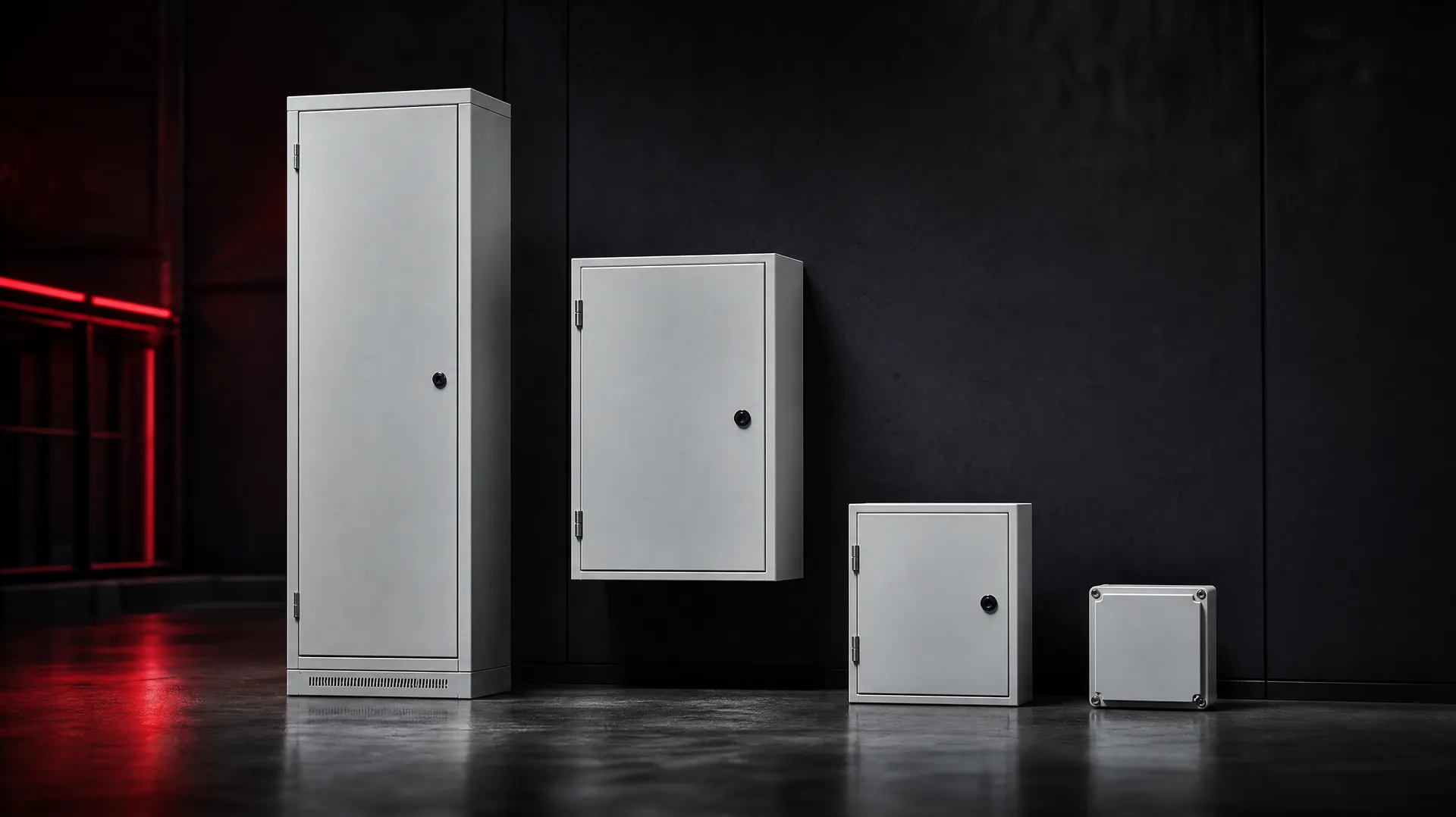
With over 28 years of experience and 100% domestic capital, Tuco Engineering delivers project-specific panel solutions to more than 200 brands worldwide. For floor-standing and wall-mounted panels, control panels and terminal boxes, everything from design to production happens in our own facility. With the Panel Configurator on our website, you can design your panel in 3D in your browser and request a quote.
End of article