
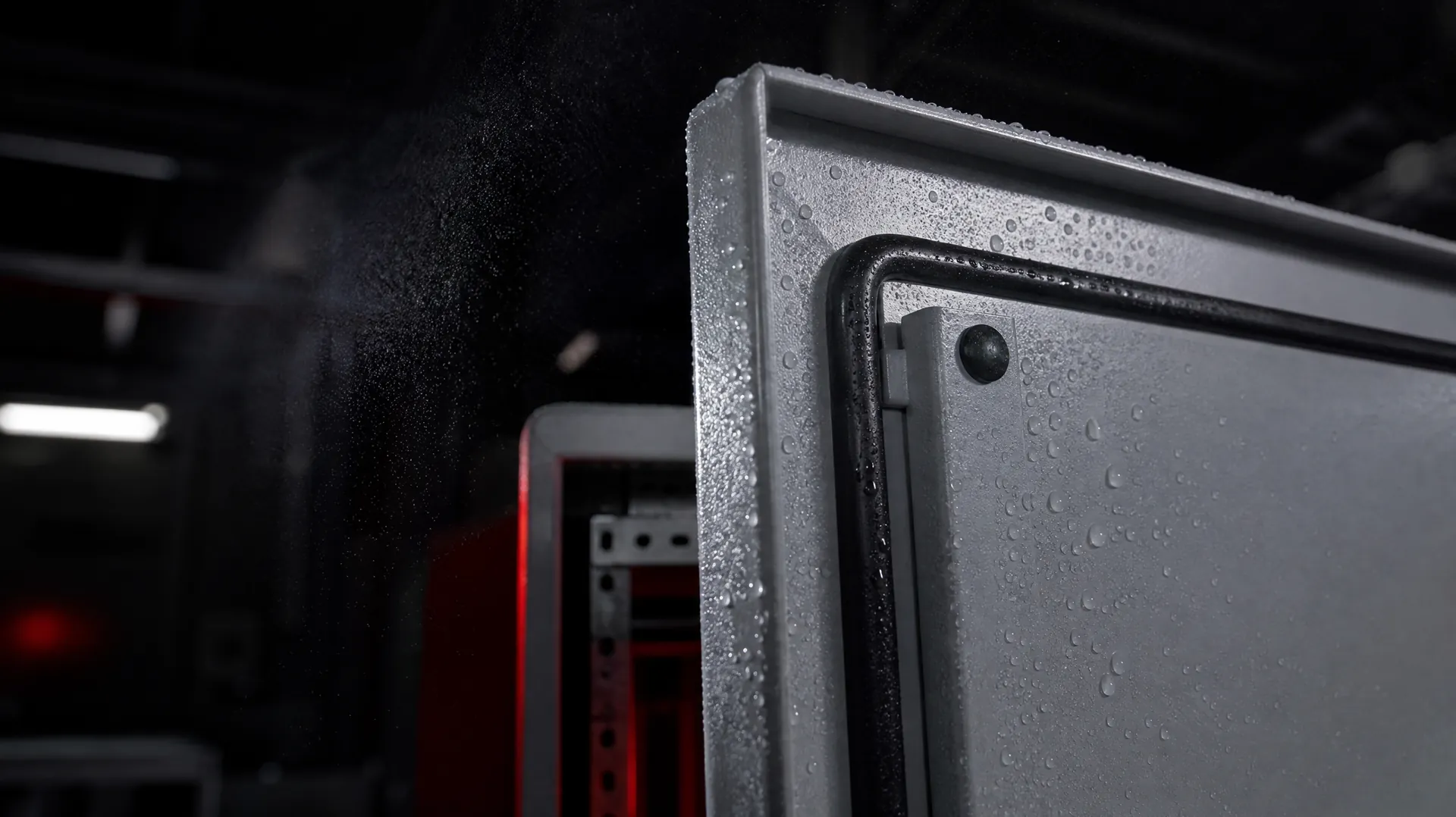
What IP codes mean under IEC 60529, choosing between IP54 and IP66, and how cable entries, fans and seals affect real protection.
However good the equipment inside a panel, once dust or water gets in, failures, corrosion and safety risks follow. That is why the IP rating is among the first values checked when selecting an enclosure. Yet catalogue digits do not always tell the whole story. This article explains how to read the IP code, which level suits which environment, and the details that determine real protection.
01 —How to read an IP code
The IP (Ingress Protection) code, defined in IEC 60529, has two digits. The first digit indicates protection against solid objects: 0 means no protection; 1, 2, 3 and 4 cover objects larger than 50 mm, 12.5 mm, 2.5 mm and 1 mm respectively. 5 means dust-protected, where dust may not enter in harmful quantities, and 6 means dust-tight.
The second digit covers water: 1 and 2 cover dripping water, 3 spraying water, 4 splashing water from any direction, 5 water jets and 6 powerful water jets. 7 covers temporary immersion at a defined depth and duration, while 8 covers continuous immersion under conditions agreed between manufacturer and user. 9 refers to high-pressure, high-temperature water jets and was added to the standard later; the frequently seen 9K designation comes from ISO 20653, which addresses road vehicles. Where a characteristic is not tested, an X replaces the digit.
02 —Common values and where they fit
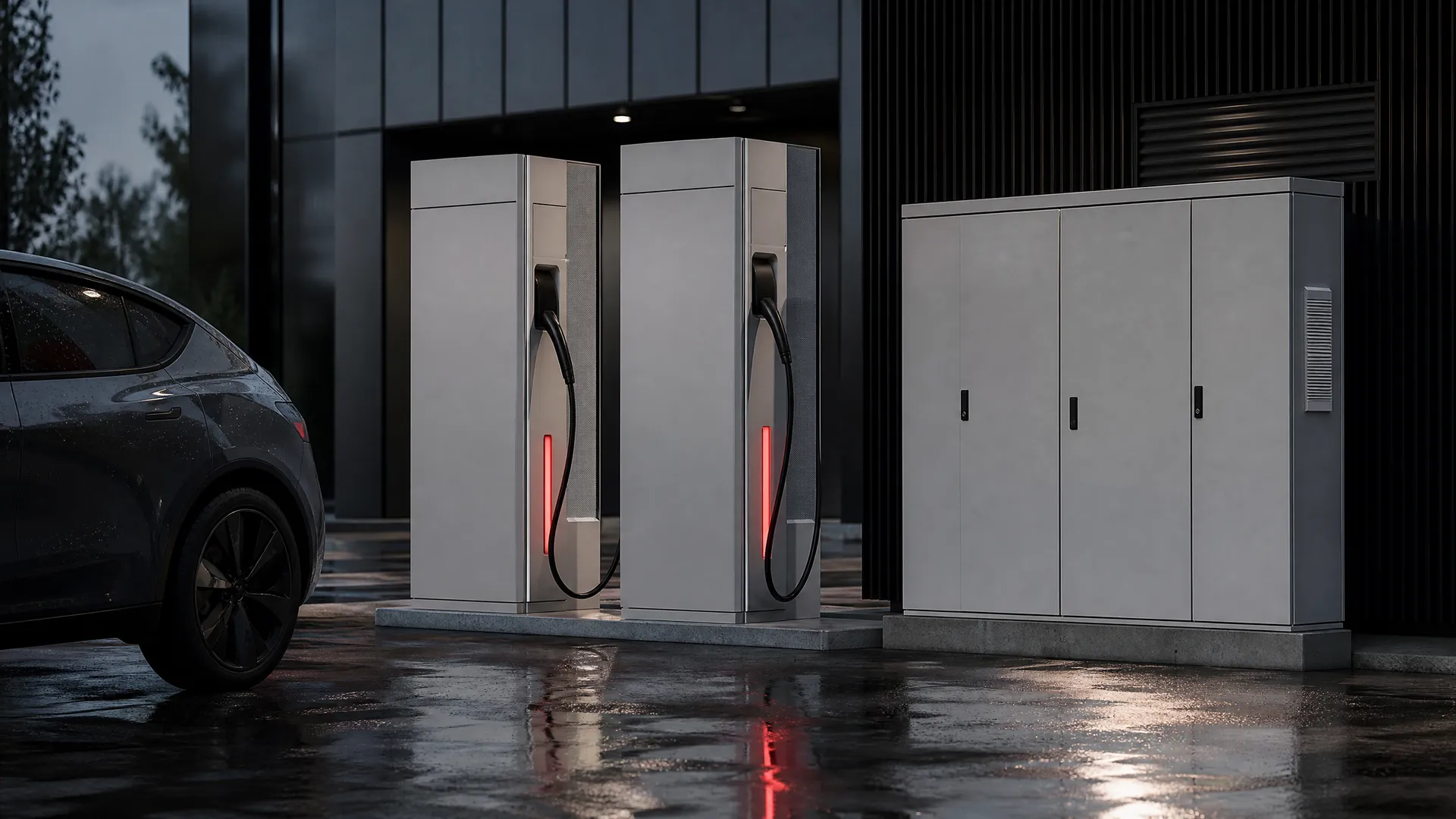
IP54 offers limited dust protection and resists splashing water; it is common in clean or moderately dusty indoor spaces. IP55 adds resistance to water jets. IP65 combines dust-tightness with water jet protection and suits outdoor installations and dusty industrial plants. IP66 withstands powerful water jets, better suiting food plants with intensive wash-down and sites exposed to harsh weather.
One important point: immersion tests and jet tests measure different things. An IP67 enclosure is not automatically IP66; if both conditions apply, look for dual marking such as IP66/IP67.
03 —What determines the real IP level?
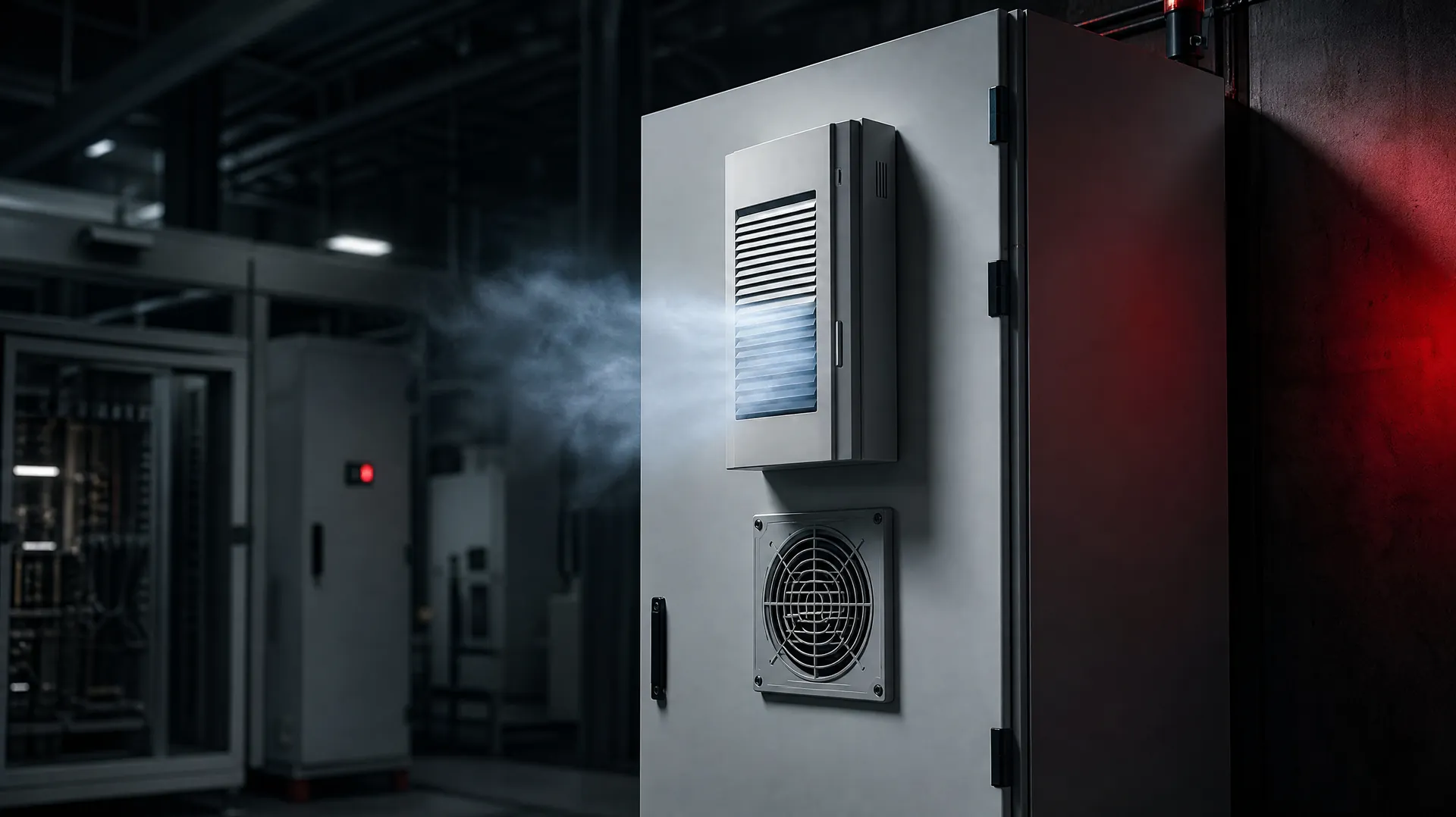
A panel is only as well protected as its weakest point. Every cable entry must be sealed with a suitably rated gland or entry system, and unused openings plugged. Ventilation fans and filters also carry their own IP ratings; mounting a lower-rated fan on an IP66 enclosure drops the overall protection to the level of the fan. Door seal continuity, hinge and lock adjustment, and gaskets that harden or get damaged over time matter just as much.
04 —IK impact rating and common mistakes
The IP code does not cover mechanical impact. For that, the IK ratings defined in IEC 62262 are used; on a scale from IK00 to IK10, IK10 corresponds to an impact energy of 20 joules. For public areas or plants with forklift traffic, the IK rating should be specified as well.
Frequent mistakes include choosing a far higher rating than needed, which complicates thermal management; ignoring holes drilled on site; overlooking condensation; and checking only the enclosure rating without verifying the accessories.
05 —The right start for the right panel
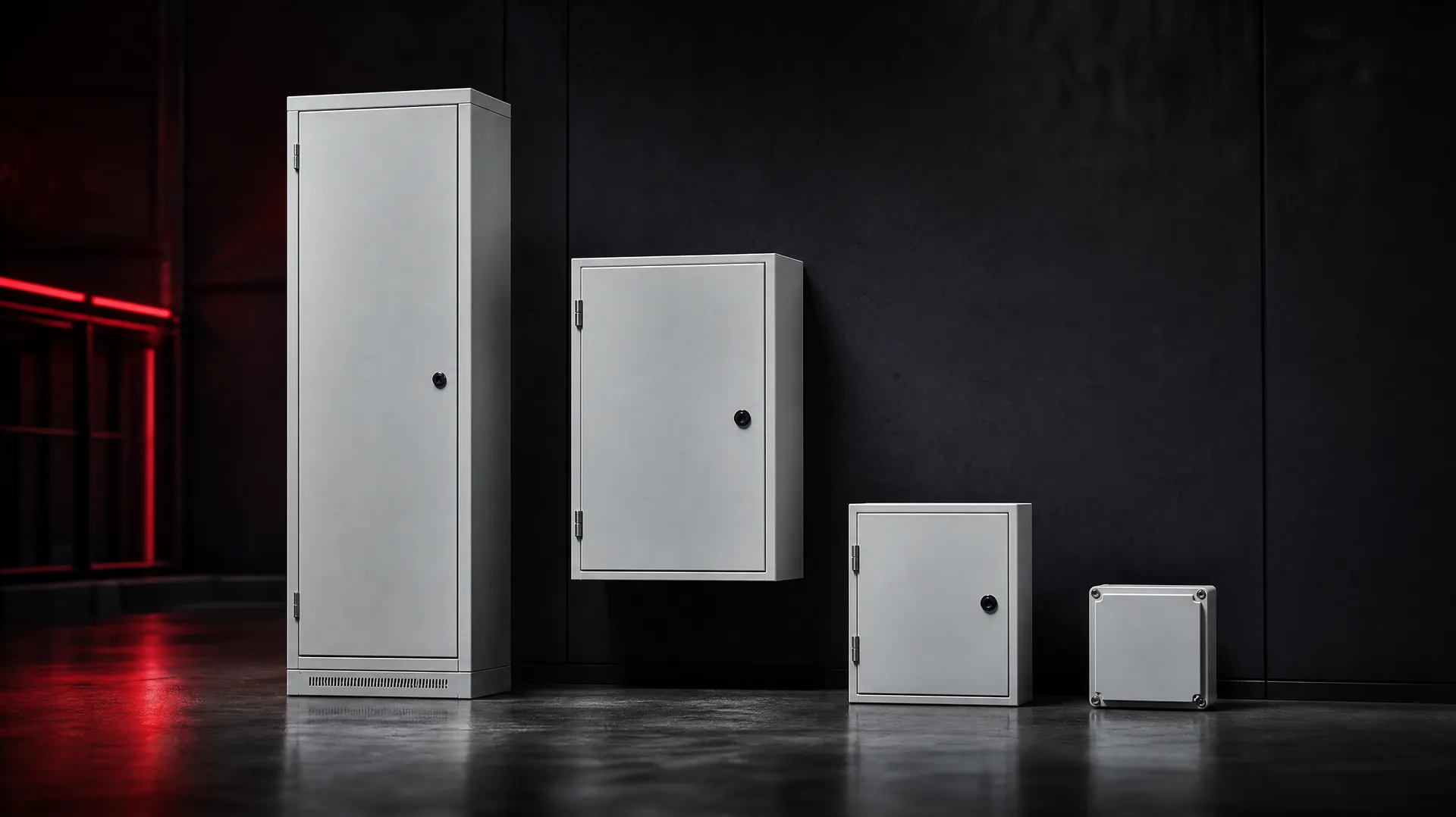
With more than 28 years of experience and solutions delivered to over 200 brands worldwide, Tuco Engineering carries out the entire process from design to production in its own facility. For project-specific solutions ranging from floor-standing and wall-mounted panels to control panels and terminal boxes, you can define your requirements with the Panel Configurator on our website and request a quote.
End of article