
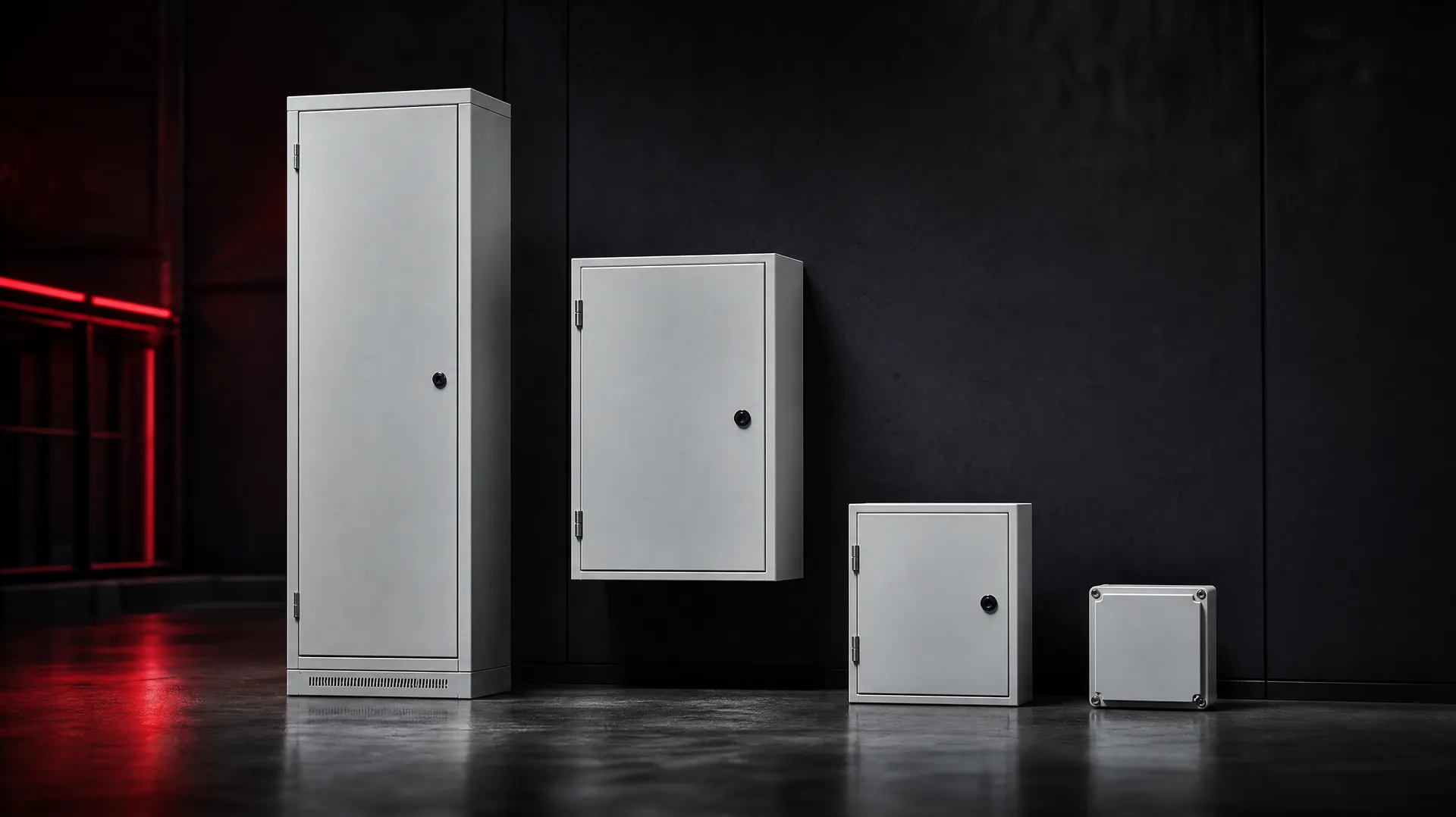
From environment and protection class to thermal load and documentation, seven key points to settle when choosing a project-specific electrical panel.
An electrical panel carries a facility's power distribution and automation, and it often stays in service for years without being replaced. A standard catalog enclosure is sometimes enough, but a project-specific panel designed around the site, the components and the operating conditions eases installation, speeds up maintenance and prevents cost surprises later. Below are seven points to clarify before requesting a quote.
01 —1–2. Application environment and the right panel type
The first question is where the panel will operate. A dry, clean electrical room, a dusty production line, a humid pumping station and an outdoor field cabinet create very different requirements. Ambient temperature, humidity, dust, chemical vapors, vibration and direct sunlight affect every stage of the design. Stating these clearly in the specification helps the manufacturer recommend the right materials and protective measures.
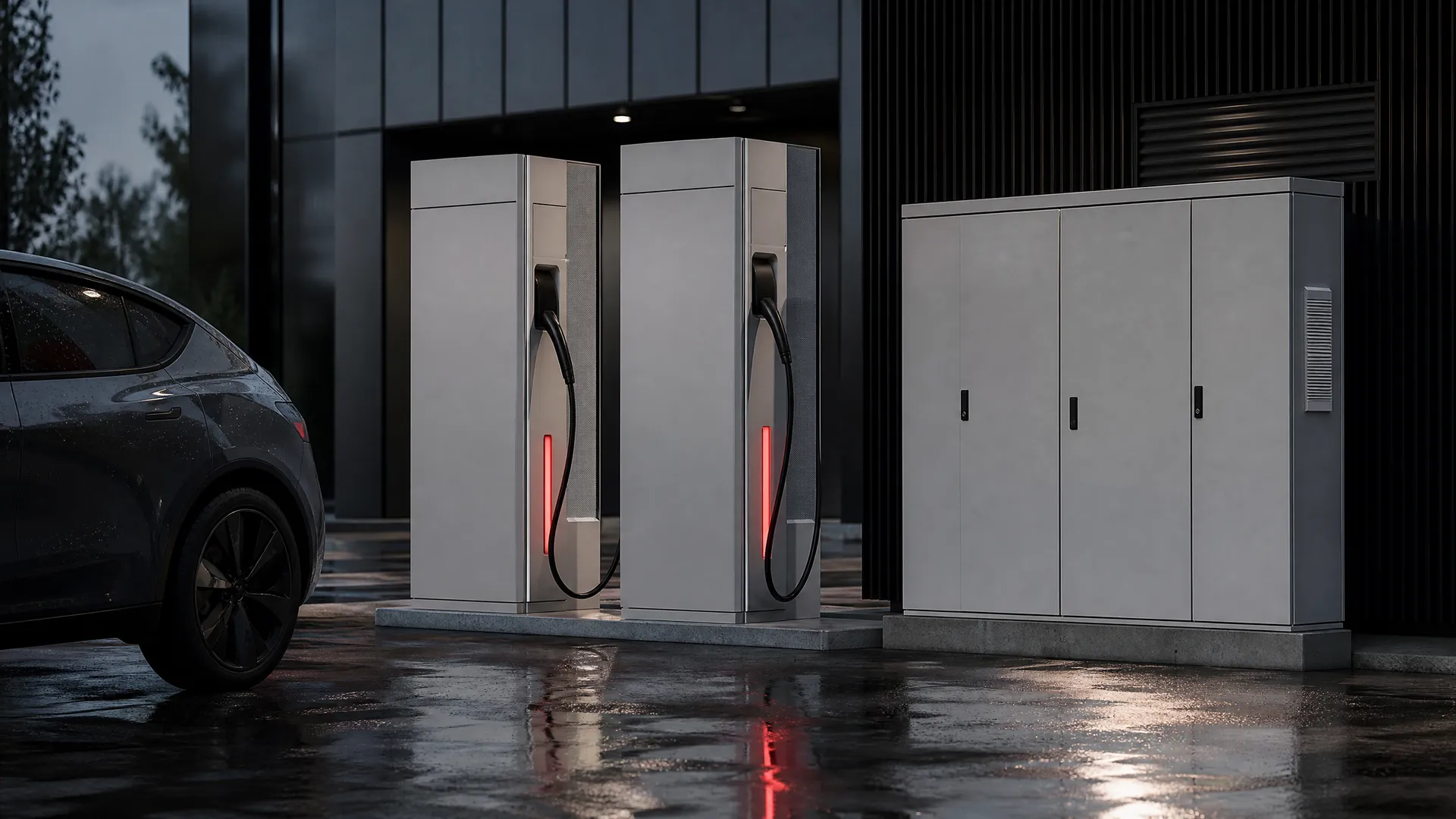
Next comes the panel type. Floor-standing panels suit high-current distribution and large numbers of components, while wall-mounted panels save space in smaller distribution and automation applications. Control panels are used where operators monitor and run a machine, and terminal boxes gather field cable connections in a tidy, protected way.
02 —3–4. Dimensions, expansion space and protection class
Panel dimensions should not be based only on today's component list. Leave enough room for cable ducts, bending radii, heat dissipation and service access, and plan reasonable spare space for drives, fuses or terminals that may be added later. A panel packed to the limit may need to be replaced at the first expansion. Door widths, ceiling height and the transport route at the site can also limit dimensions.
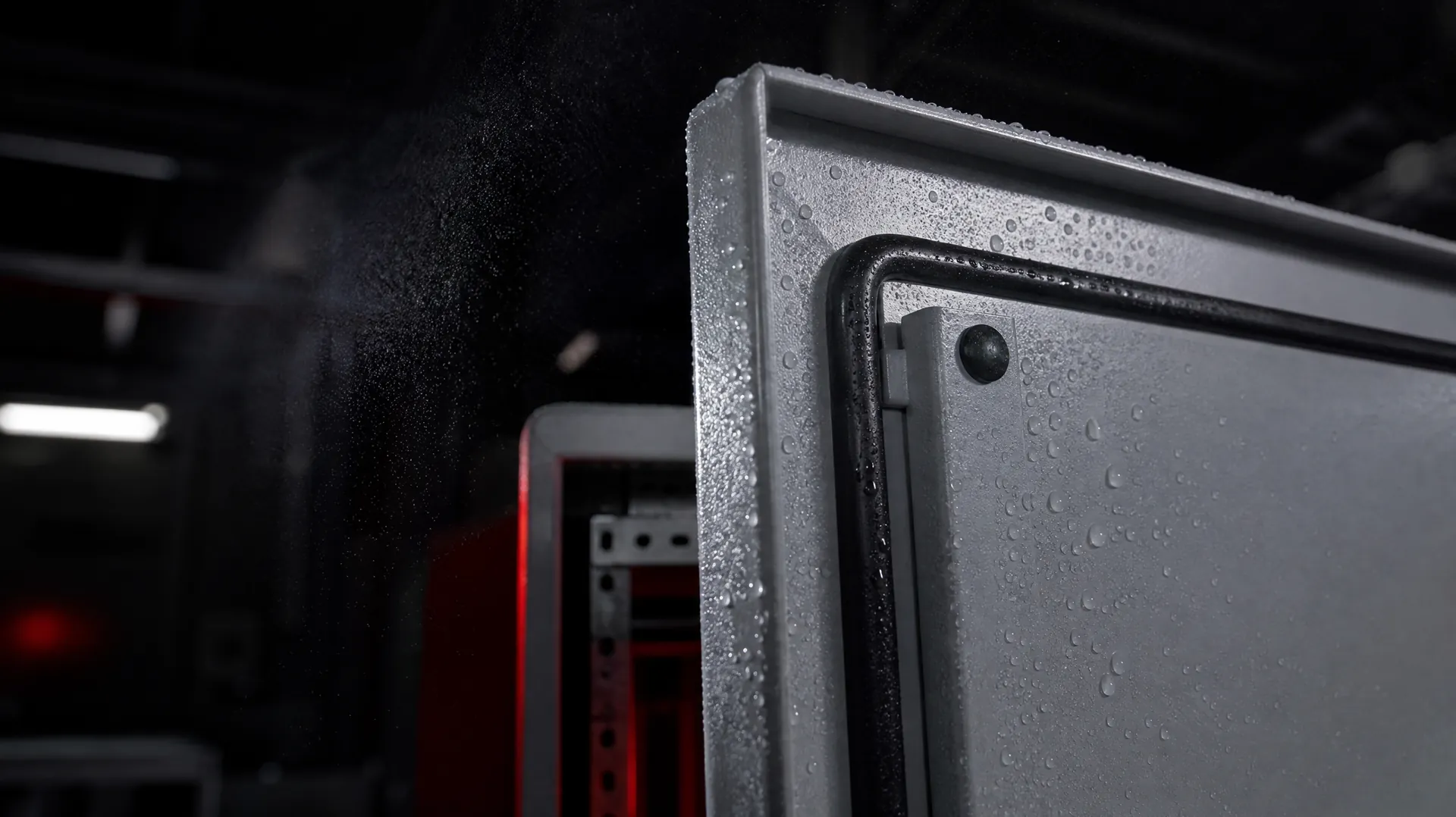
Protection class is expressed by the IP code defined in IEC 60529. The first digit indicates protection against solid objects and dust, the second against water. Specifying a higher IP rating than needed can increase cost and complicate heat management, while falling short invites failures, so set it based on actual site conditions and cleaning methods.
03 —5–6. Material, access and thermal load
The enclosure material and sheet thickness should be chosen according to the panel's size, the load it carries and its environment. Painted cold-rolled steel is common indoors, while alternatives such as stainless steel are considered for corrosive environments. Electrostatic powder coating protects the surface, and RAL 7035 light grey is a frequently chosen color for enclosures.
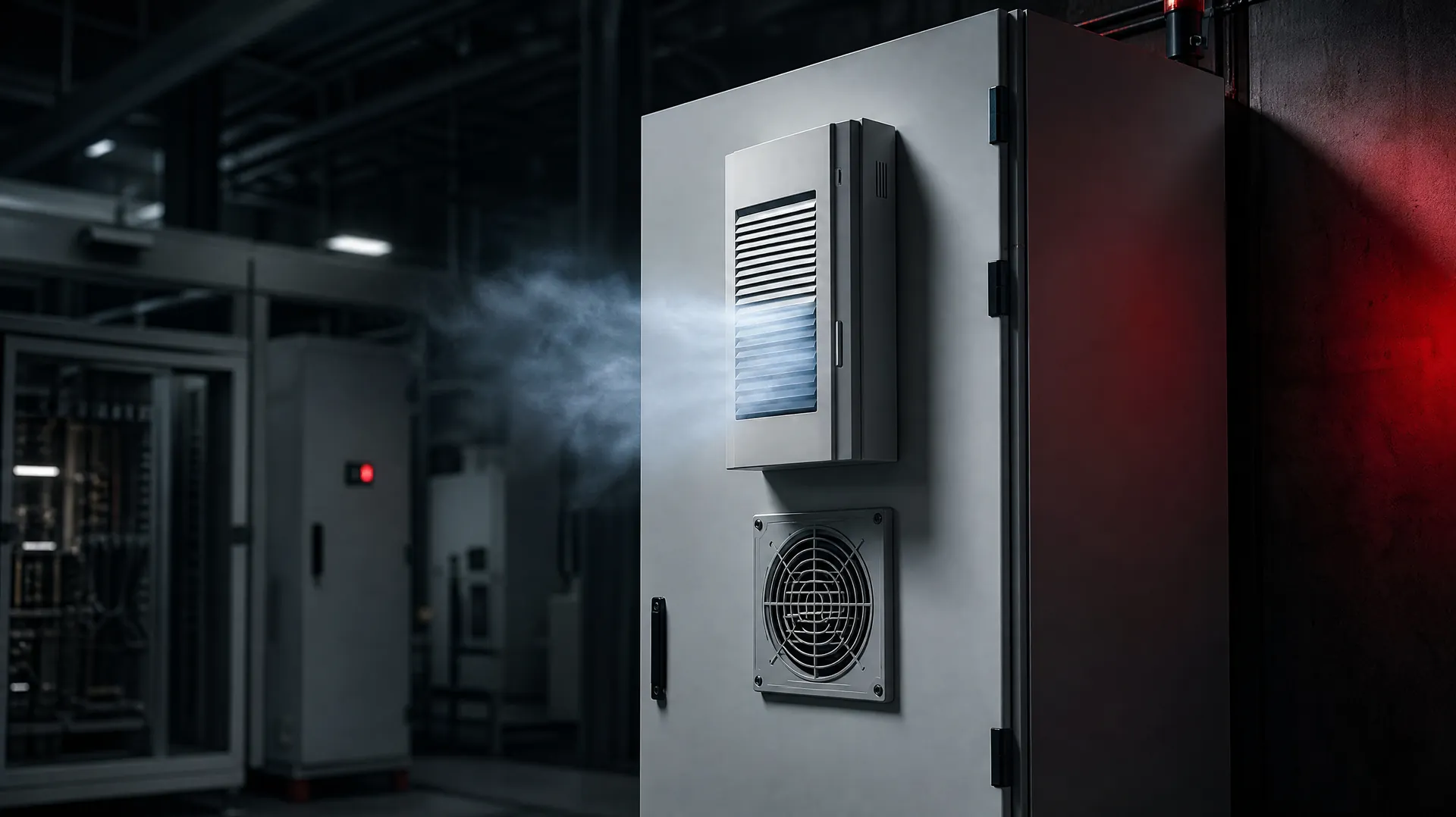
Door design, hinge side, lock type and cable entry points directly determine ease of use. Top or bottom entry, gland plates and locks that prevent unauthorized access should be planned from the start. Drives and power supplies generate heat; this thermal load must be calculated and, where necessary, controlled with fans, filters, heat exchangers or cooling units, with heat-sensitive components placed with airflow in mind.
04 —7. Documentation and standards compliance
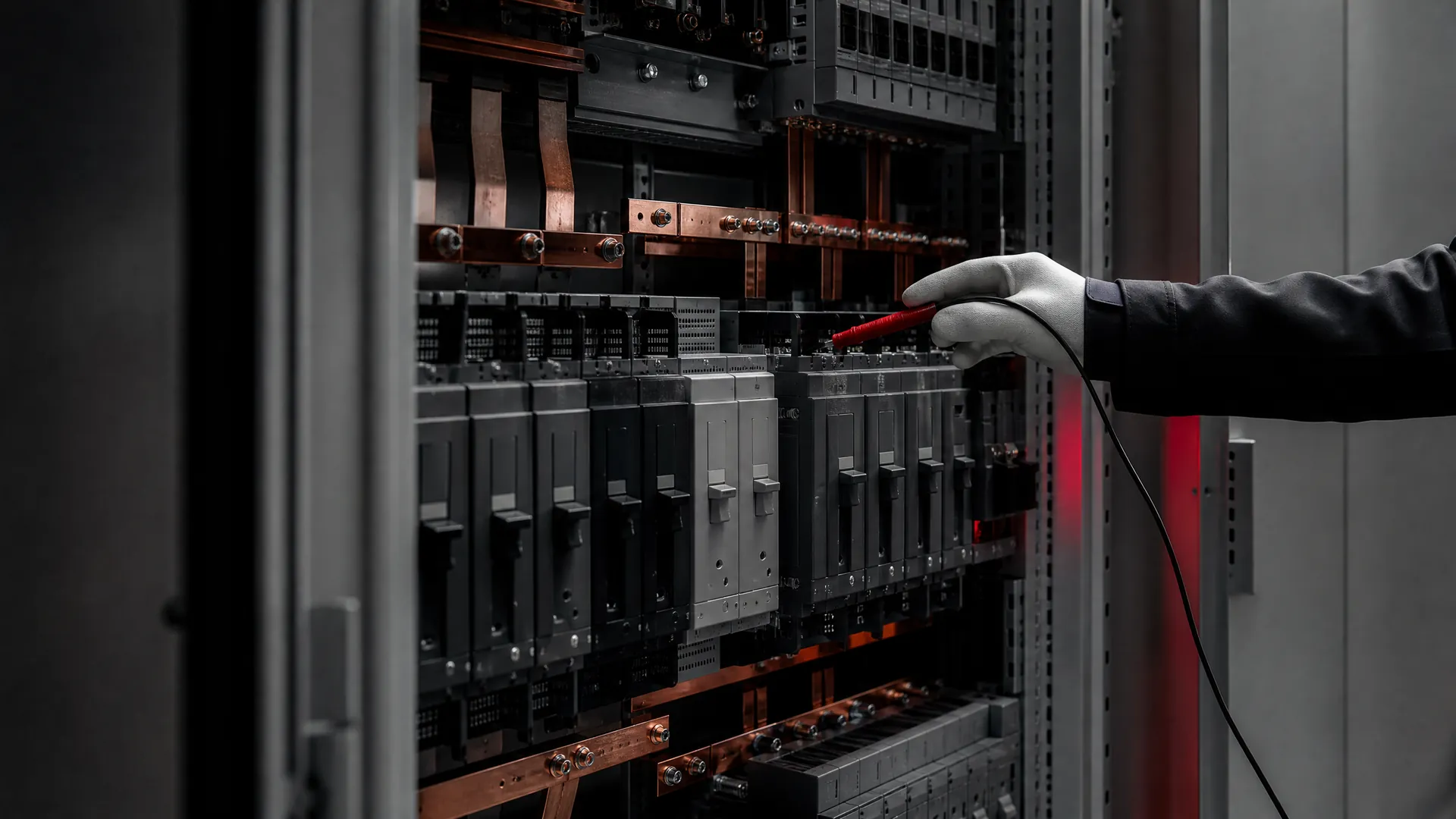
The main reference for low-voltage switchgear and controlgear assemblies is the IEC 61439 series. Design verification, single-line diagrams, layout drawings, labeling and test records make commissioning, maintenance and possible inspections much easier. Agreeing on deliverable documents at the quotation stage avoids uncertainty later.
05 —Design to production from a single source
Choosing the right panel is as much planning as technical choice. With more than 28 years of experience and solutions delivered to over 200 brands worldwide, Tuco Engineering designs and manufactures floor-standing and wall-mounted panels, control panels and terminal boxes in its own facility. With the Panel Configurator on our website, you can design the enclosure dimensions, doors, color and your logo in 3D right in your browser, then request a quote.
End of article