
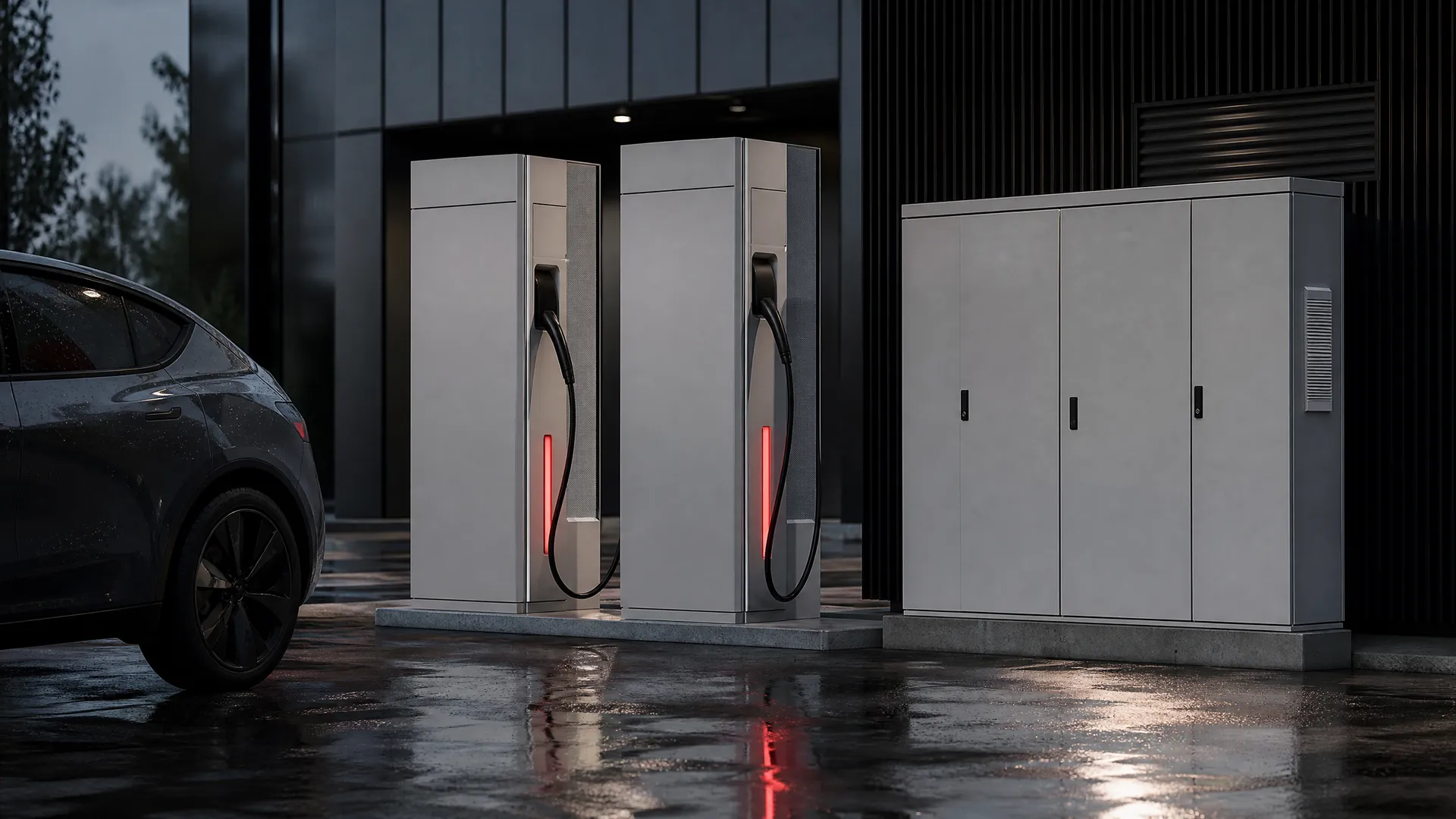
From AC vs DC charging to protection, load management and outdoor enclosures: the key panel-side points of EV charging infrastructure.
As electric vehicles spread, parking operators, site managers and facility owners are increasingly planning charging stations. Yet the charger is only the visible part of the job. A safe, efficient and durable installation really depends on the infrastructure behind it: the distribution panel and enclosures built for outdoor conditions. Here are the key points for the project phase.
01 —AC and DC charging: The infrastructure difference
With AC charging, the vehicle's onboard charger converts grid alternating current into direct current. AC stations are therefore relatively compact and suit residential complexes, workplaces and long-stay parking. With DC fast charging, conversion happens inside the station, requiring power electronics, cooling and a higher supply capacity. Heat management, enclosure volume, cable sizes and transformer capacity become far more decisive. The choice should reflect parking duration and available capacity.
02 —Distribution panel and protection
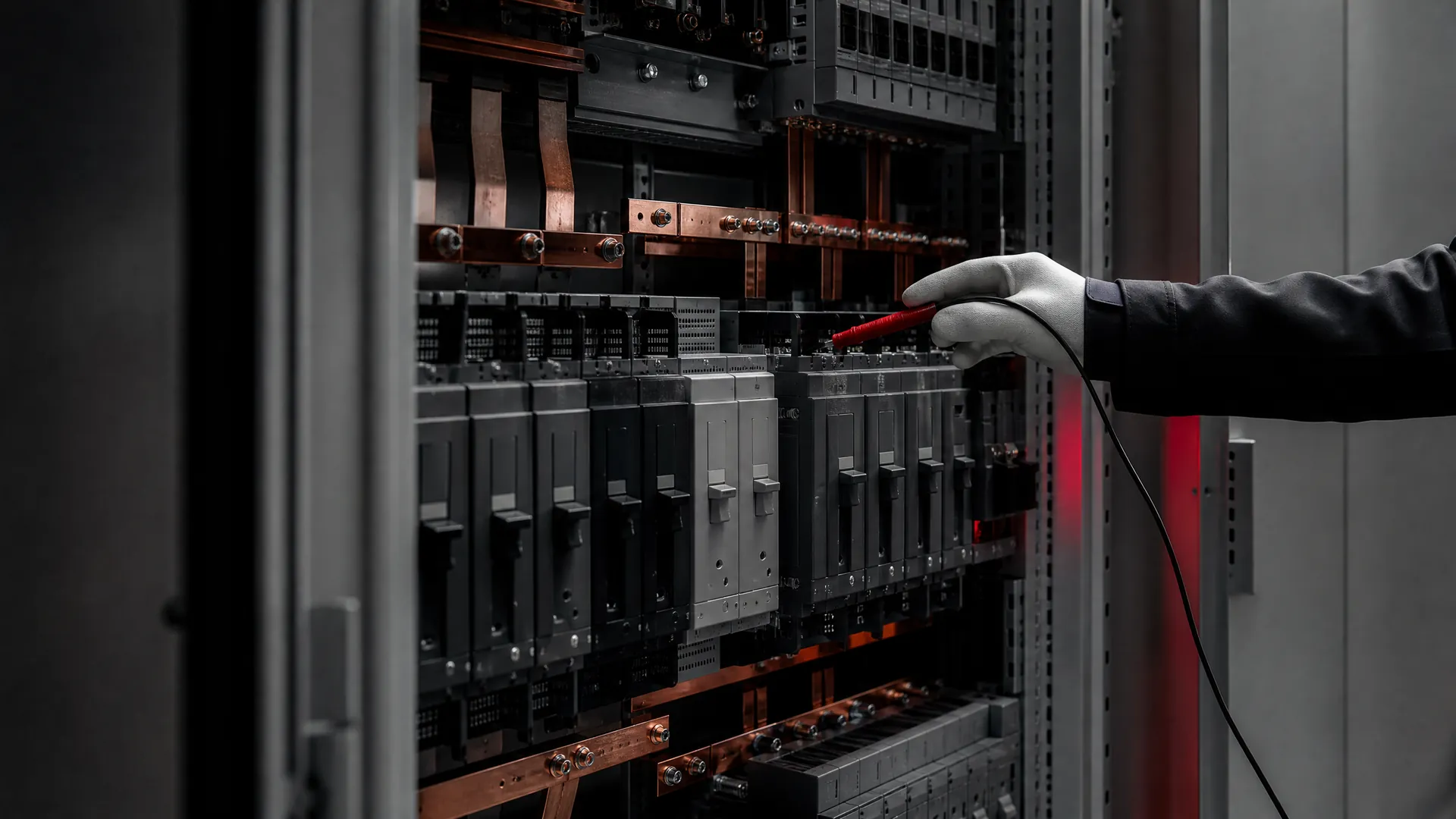
Each charging point should have its own outgoing circuit in the distribution panel. Miniature circuit breakers (MCBs) with a suitable characteristic against overcurrent and residual current devices (RCDs) against earth leakage are the basic components. A critical issue for EVs is DC leakage: vehicle electronics can produce smooth DC fault currents that standard AC-type devices cannot detect. The approach under IEC 60364-7-722 and IEC 61851 therefore generally calls for a Type B RCD, or a Type A RCD combined with a DC residual current detection device (RDC-DD). Charger and panel protection should be assessed together, with the final selection made by a qualified electrical engineer. Surge protection and proper earthing must not be overlooked.
03 —Load management, metering and communication
At multi-point sites, all vehicles charging at full power simultaneously can easily exceed the supply capacity. Dynamic load management shares available capacity among the points and prevents the main breaker from tripping. The panel needs space for energy analyzers, current transformers and control equipment. If per-user billing is planned, suitable meters should be provided for each point. Stations usually communicate with central management software via OCPP; a protected space should be reserved for modems and network switches.
04 —Outdoor enclosures: IP, IK and climate conditions
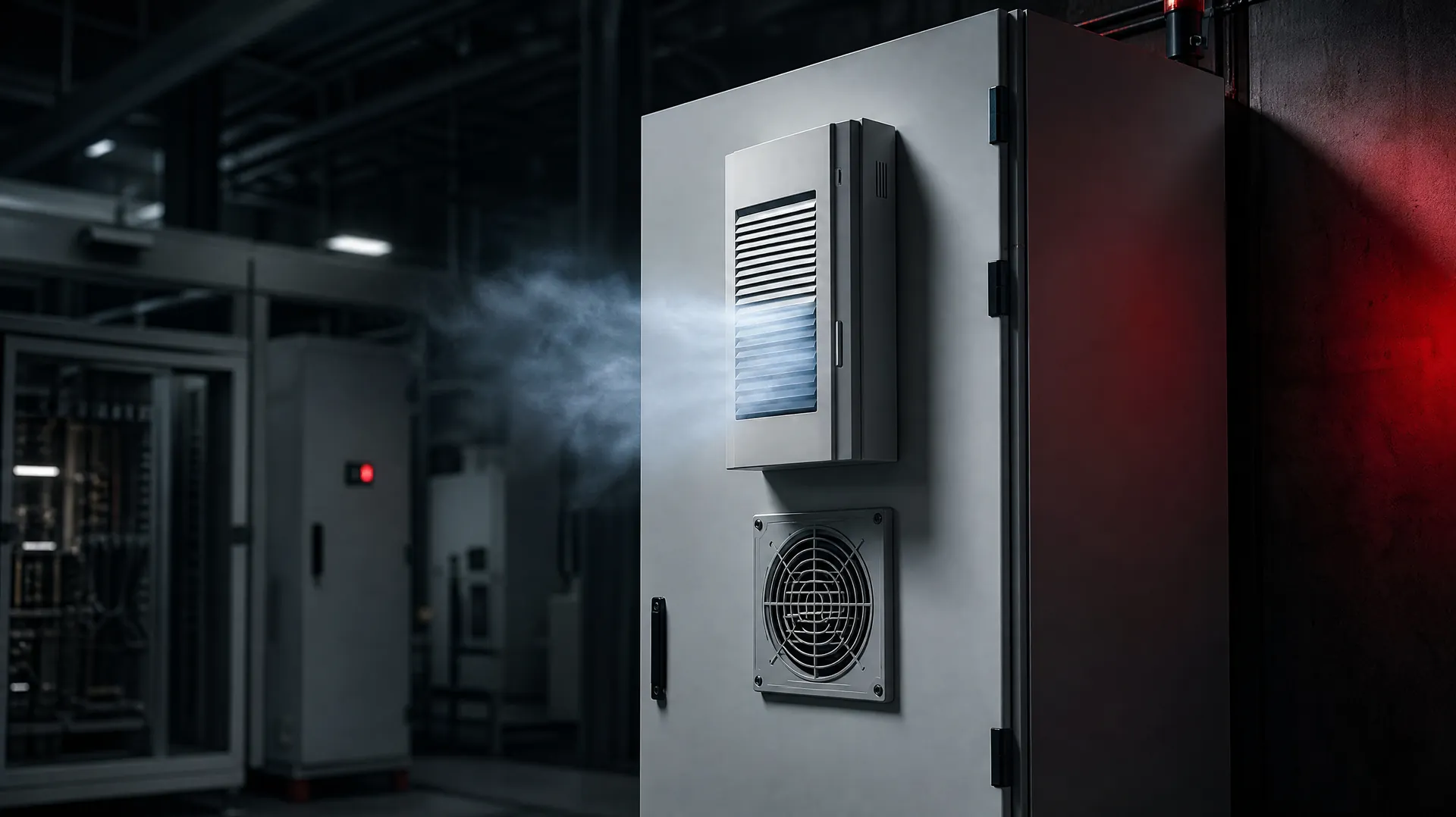
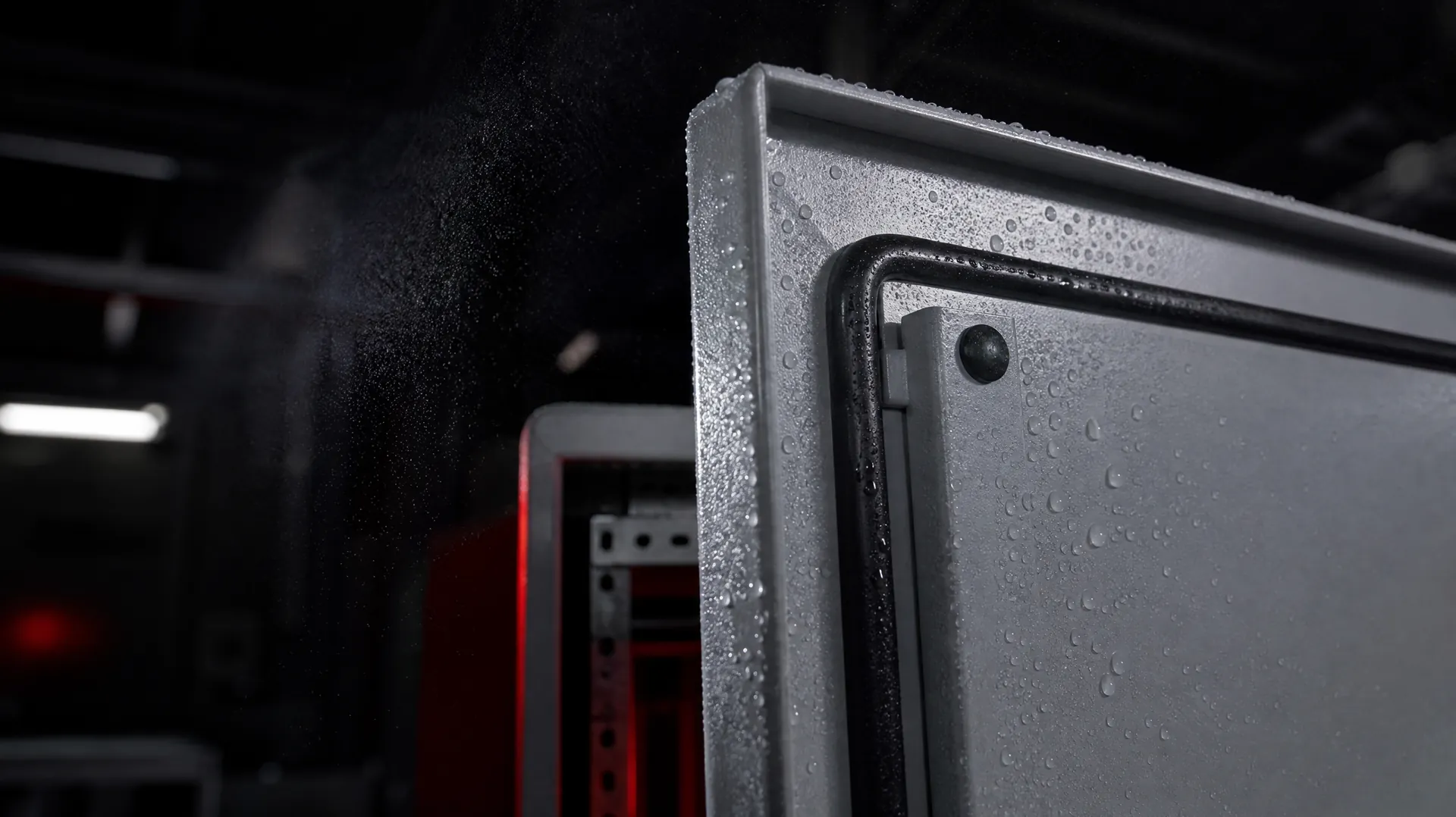
Enclosures in open-air car parks face rain, dust, sunlight and temperature swings. The IP rating indicates resistance to dust and water; the IK rating indicates resistance to impact. On sun-exposed surfaces, UV-resistant paint delays fading and surface degradation. In public areas, lockable doors, concealed hinges and robust fasteners deter vandalism. Day-night temperature differences can cause internal condensation; ventilation, heaters and thermostats protect the electronics. Suitable cable glands and tidy cable ducts support both sealing and maintenance.
05 —Service access and future expansion
Charging stations operate for many years, so service access belongs in the design. A door layout giving technicians safe access, clear labeling and an up-to-date single-line diagram shorten downtime. A car park starting with two points today may need many more within a few years. Planning spare outgoing circuits, free mounting space and an adequately sized main supply greatly reduces future excavation and rewiring costs.
06 —Let's design the right enclosure for your project together
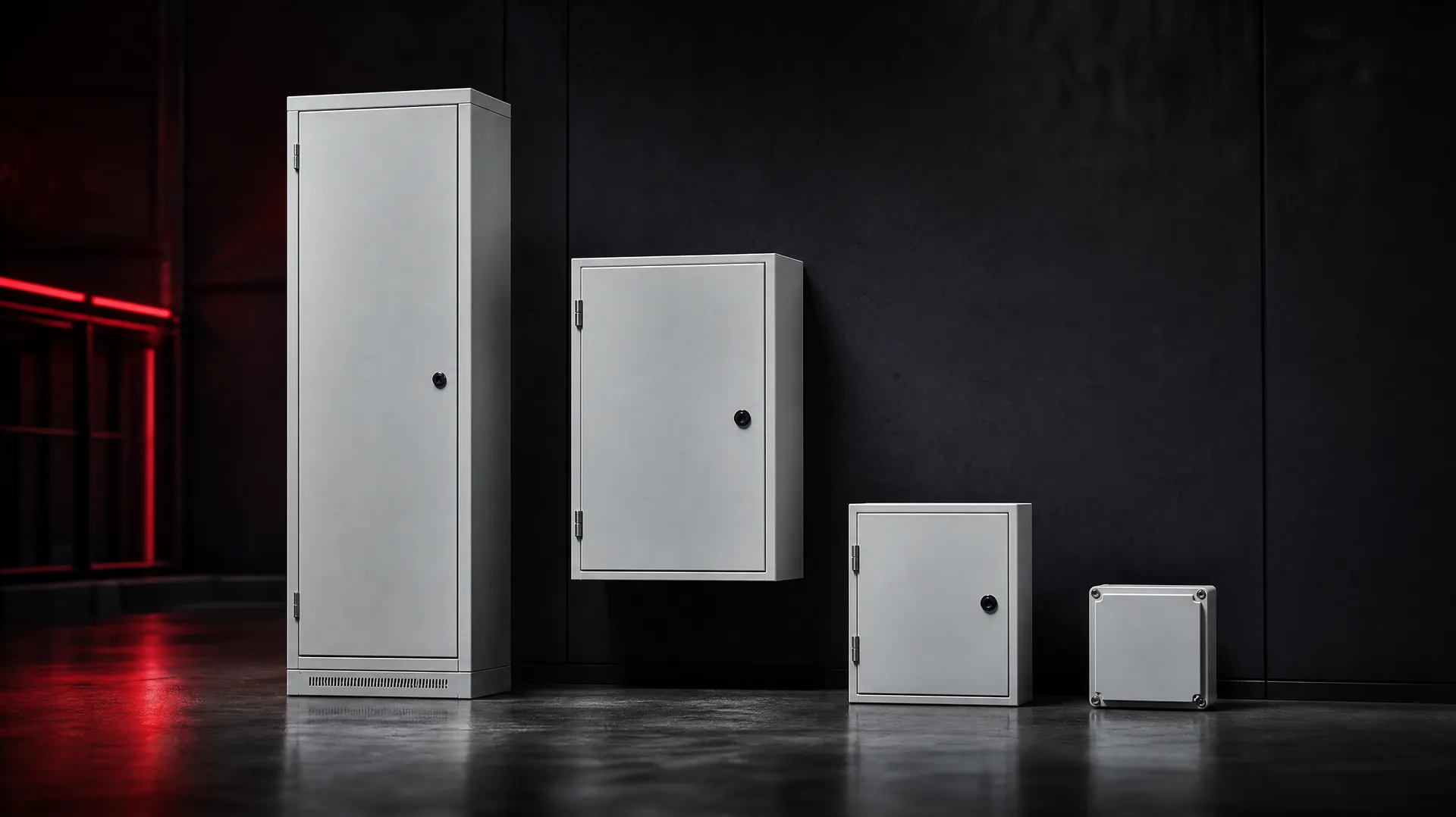
With more than 28 years of experience, Tuco Engineering designs and produces electrical panels and enclosures in its own facility. As a 100% Turkish-owned company, it provides solutions for more than 200 brands worldwide. Our range covers floor-standing and wall-mounted panels, control panels and terminal boxes. For EV charging stations we offer a service that includes site survey, design, infrastructure panels, installation and maintenance. You can design your enclosure in your browser with the 3D Panel Configurator on our website and request a quote directly.
End of article